Dangerous goods in your baggage: What gets screened out every day at Zurich Airport
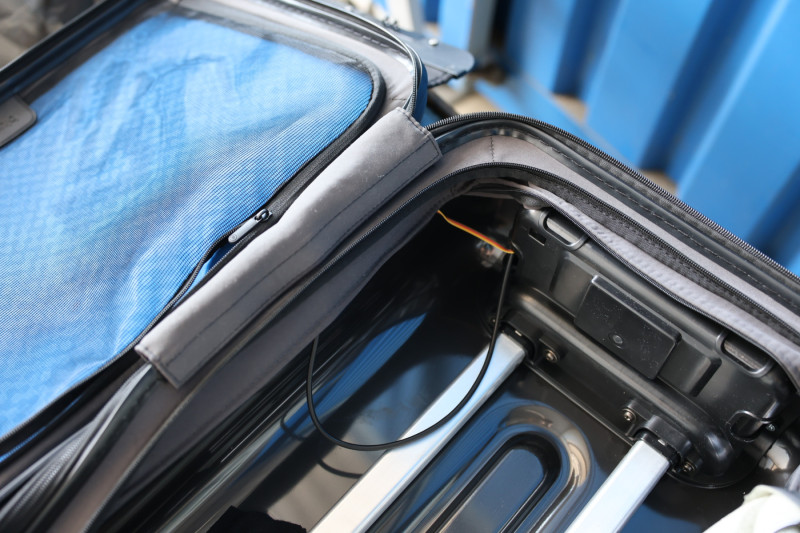
Safety is the top priority in aviation. Thousands of dangerous goods such as power banks, e-cigarettes, spray cans and fireworks are therefore removed from baggage at Zurich Airport every year – and this number is rising. These items are considered to be potentially dangerous in aircraft and may only be brought on board to a limited extent, if at all.
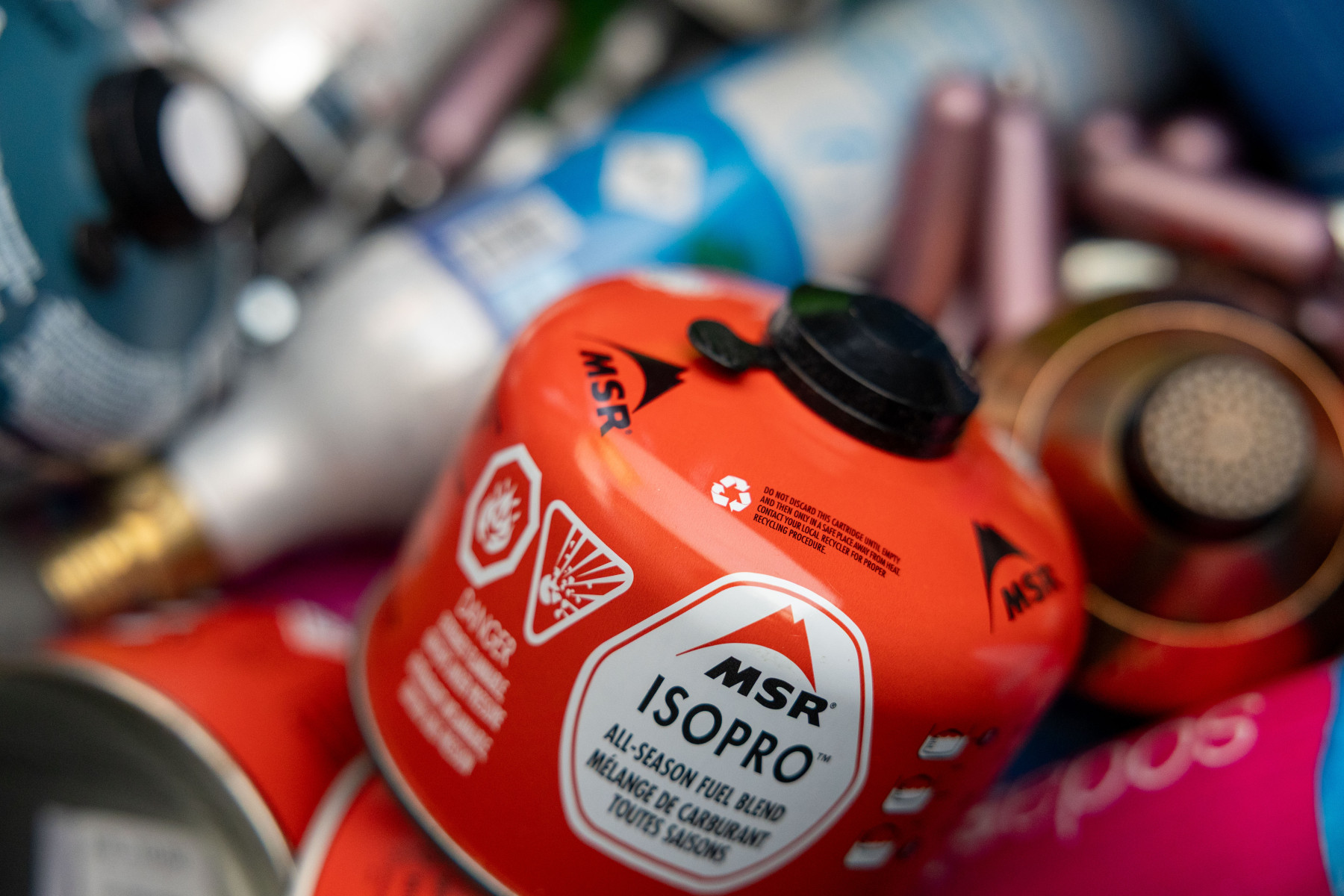
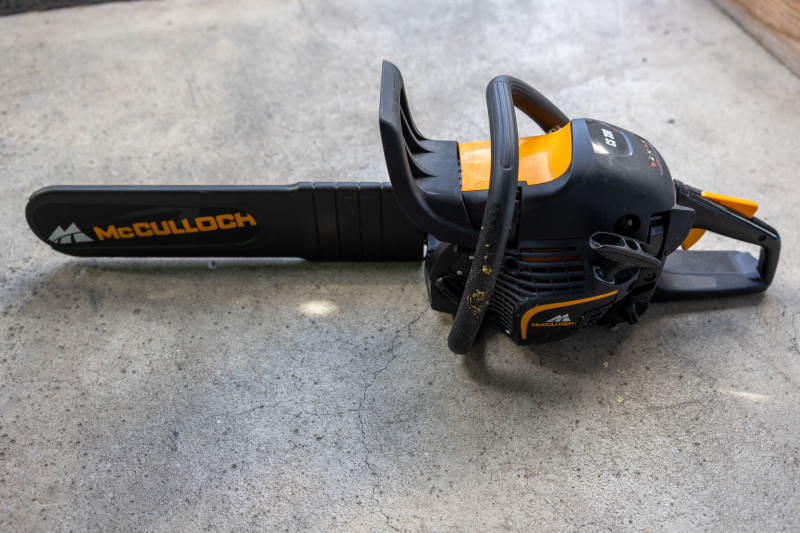
Dangerous goods include items or substances that can pose a hazard to people, the environment or aircraft, for example.
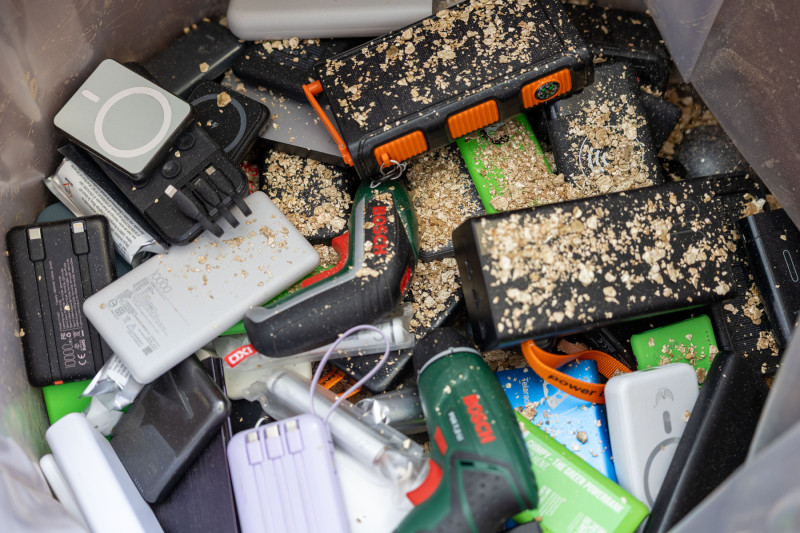
In 2024, around 140,000 dangerous goods were removed from checked baggage and another 40,000 from carry-on baggage at security checkpoints at Zurich Airport. The number of prohibited dangerous goods in baggage at Zurich Airport has increased significantly in recent years, particularly in checked baggage.
This is partly because of the trend towards more and more batteries and power banks as well as mobility aids as battery-powered devices replace corded ones. The general trend towards more electronics and the rise in leisure travellers who have less experience with air travel are also contributing to the increase.
What is removed most often
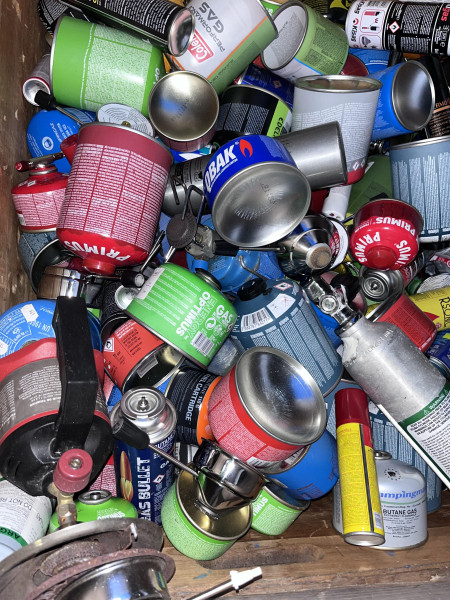
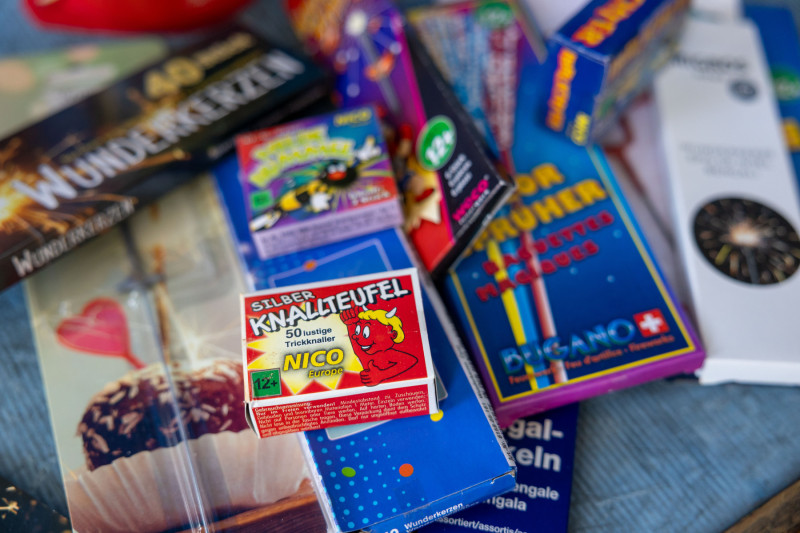
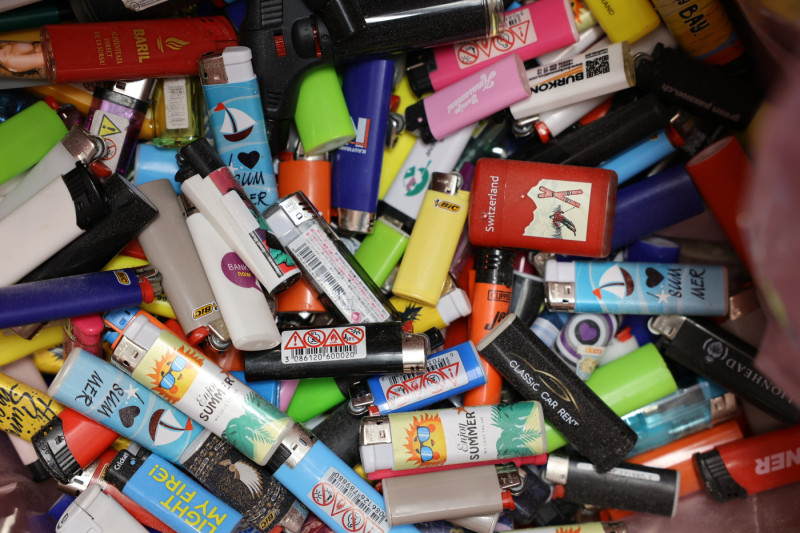
In carry-on baggage, lighters and matches (only one per person allowed), fireworks, solid lighting fuel, fuel pastes and gas cartridges are particularly common at Zurich Airport.
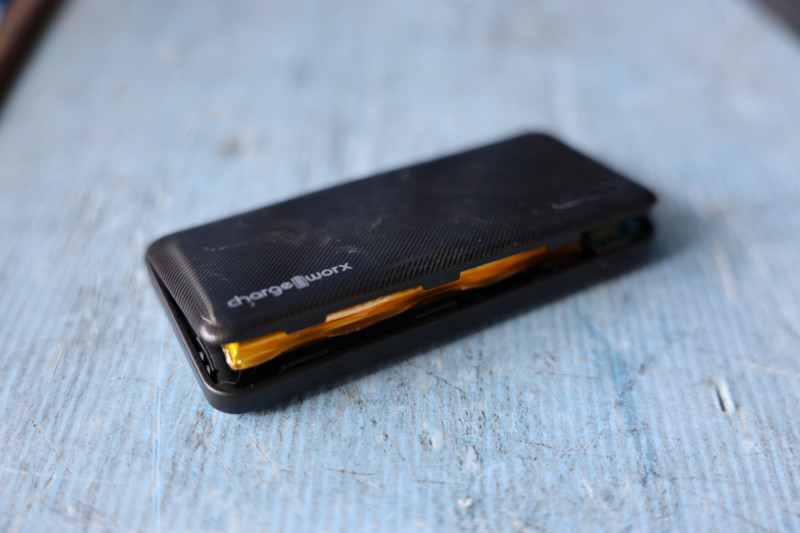
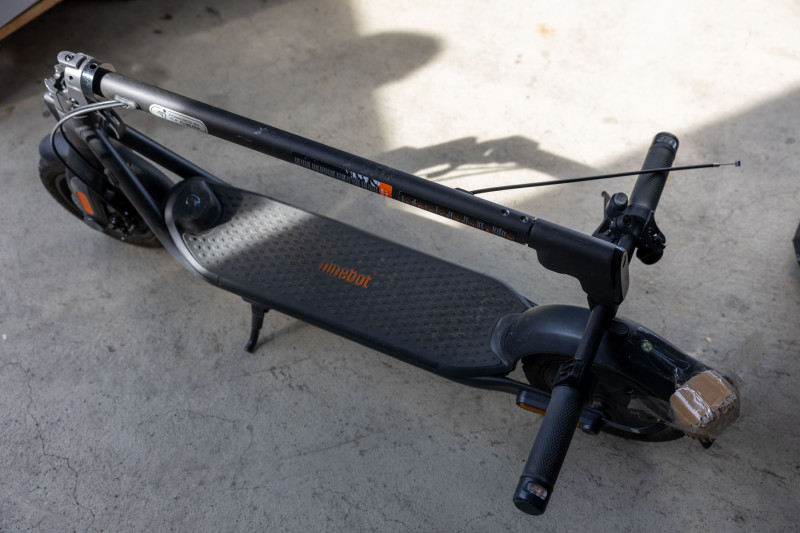
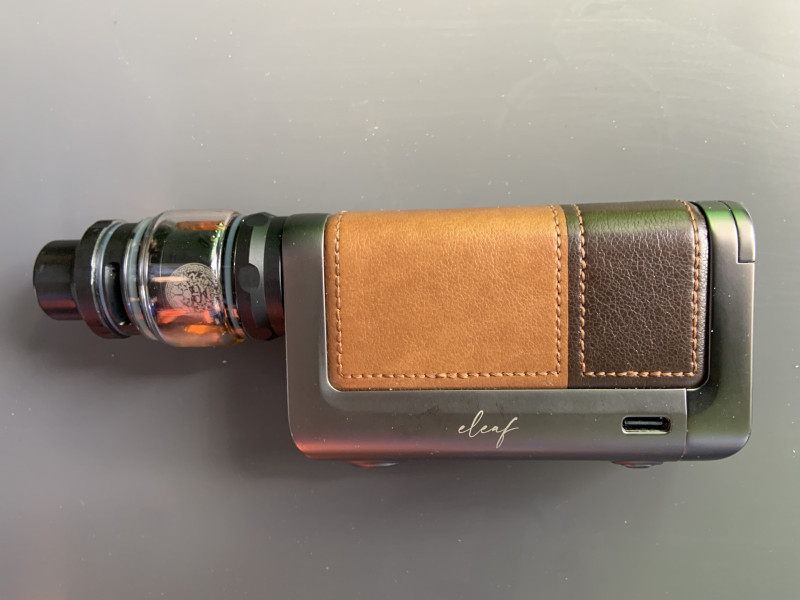
In checked baggage, loose disposable batteries, rechargeable batteries, power banks, lighters, e-cigarettes as well as electronic devices and mobility aids such as e-scooters or e-strollers must be removed in particular.
All of these items can pose a safety risk when transported by aircraft – whether due to heat development, flammability, damage or chemical reactions.
Distinction from prohibited items
Dangerous goods should not be confused with prohibited items such as scissors, pocket knives or tools, as well as liquids in containers with a capacity of more than 100 ml. Although these items are prohibited in carry-on baggage, they are not considered dangerous goods in the legal sense. They can generally be taken in checked baggage.
Prohibited items carry a risk if they are misused by an individual. Dangerous goods, on the other hand, are inherently dangerous due to their chemical or physical properties if they are carried in baggage unlawfully or without authorisation.
Clear rules for greater safety
Airlines, handling companies and airports are responsible for compliance with the legal requirements regarding dangerous goods in passenger baggage. These rules are based on the international requirements of the ICAO (Technical Instructions for the Safe Transport of Dangerous Goods by Air) and the IATA Dangerous Goods Regulations (DGR), which list and classify the rules for the transport of dangerous goods.
If dangerous goods are discovered during a security check, they must be removed from the baggage. Carry-on baggage and checked baggage are inspected by employees of the cantonal police on behalf of Zurich Airport Ltd.
Lighters, batteries and e-scooters – what belongs where
When packing luggage, it is important to distinguish between carry-on and checked baggage because different rules apply. Loose disposable batteries, rechargeable batteries, power banks and e-cigarettes are forbidden in the cargo hold and are therefore not allowed in checked baggage. These items may only be transported in carry-on baggage, although they may be subject to additional rules. Fireworks, gas cartridges, fuel pastes and corrosive or flammable liquids and solids are completely forbidden, regardless of the type of baggage.
Disposal or paid storage
For safety reasons, dangerous goods of low value are disposed of properly after removal. On the other hand, more valuable objects such as high-quality power banks or mobility aids are temporarily stored for 30 days. During this period, passengers can reclaim the items for a fee. If the items are not collected, they are also disposed of after the deadline has expired
In any case: before travelling, check what is and is not allowed
Preparing well can help to keep security checks quick and journeys smooth. Passengers can find specific guidelines on permitted and prohibited items on the websites of their airline or airport.
As a rule of thumb: before each journey, baggage should be carefully checked for electronic devices, batteries, liquids, gas containers and flammable, corrosive or toxic substances – all of which may be subject to restrictions or prohibitions.
Useful information to prepare for security checks – including a convenient item search function – is also available here:
Security Check at Zurich Airport
This information is only valid for departures from Zurich Airport.